Typical Applications 01
Aluminum Nitride Heaters
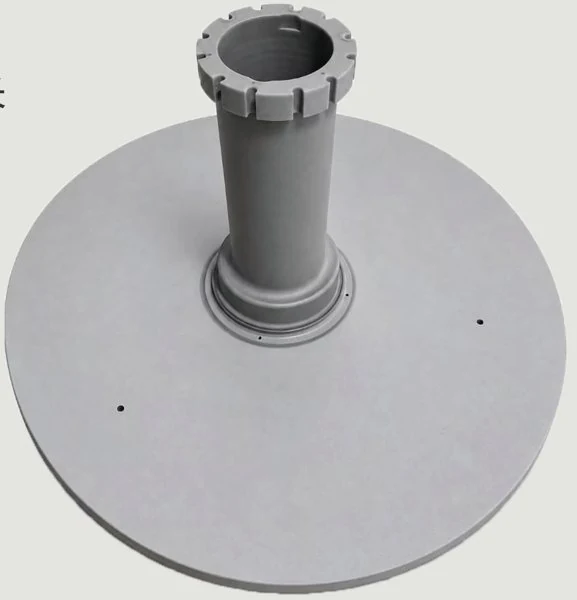
Review datums for the plate, connecting shaft, deep cavities and holes, with attention to workholding and tool access.
 北京凝华科技有限公司
Wafer Support · Thermal Management · Chamber Components
For manufacturing heaters, electrostatic chucks, showerheads and focus rings, NINVA supports the selection and application of grinding, laser machining and EDM equipment for suitably conductive materials. Material, hole patterns, mating surfaces and surface features guide machine configuration and pre-sales machining trials.
Discuss Equipment SelectionTYPICAL APPLICATIONS
Review datums for the plate, connecting shaft, deep cavities and holes, with attention to workholding and tool access.
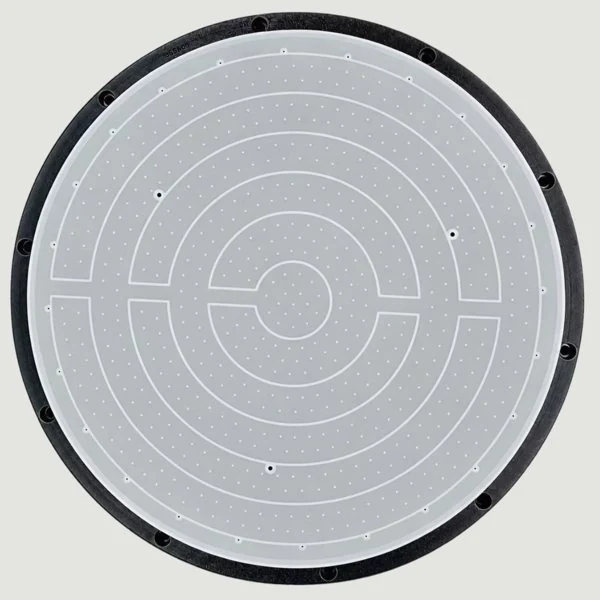
Assess laser machining and mechanical grinding separately for ceramic surface features, holes, grooves and datum coordination.
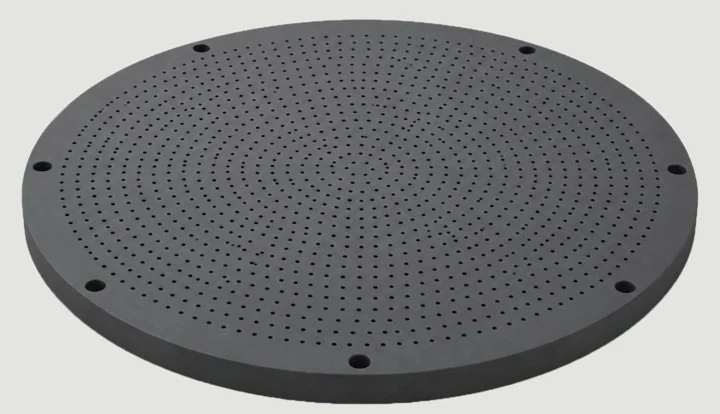
For dense hole patterns and stepped holes, discuss diameters, depths, step geometry, tool condition and entry-edge quality.
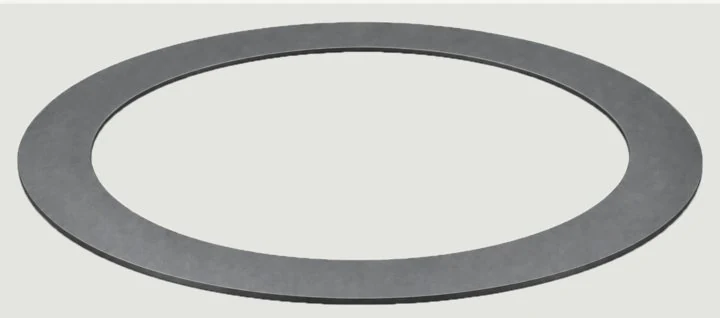
Define support, datums between setups and dimensional inspection requirements for inner and outer profiles, steps and mating surfaces.
PROCESS REQUIREMENTS
Dense patterns, stepped holes and thin edges require consideration of tool access, wear and edge chipping, rather than equipment selection by hole diameter alone.
Relate plates, shafts, grooves and microfeatures to locating and inspection datums, and assess the effects of workholding, part reversal and changes between processes.
AlN, alumina and different SiC grades cannot be assigned the same process route. EDM requires confirmation that the material has suitable electrical conductivity.
PROCESS & EQUIPMENT
Consider part, fixture and tooling space when discussing precision grinding and inspection of faces, profiles, holes, grooves and connecting features. Microholes and deep cavities require separate feasibility evaluation.
Discuss surface engraving, shaping and cutting of suitable ceramics, using NINVA's electrostatic-chuck surface-feature sample as a reference. Confirm dimensions and results for the actual component and process conditions.
Evaluate die-sinking or wire EDM only when the grade, conductivity and geometry are suitable. Insulating ceramics and CVD SiC must not be assumed to qualify without assessment.
NINVA PRODUCT LITERATURE
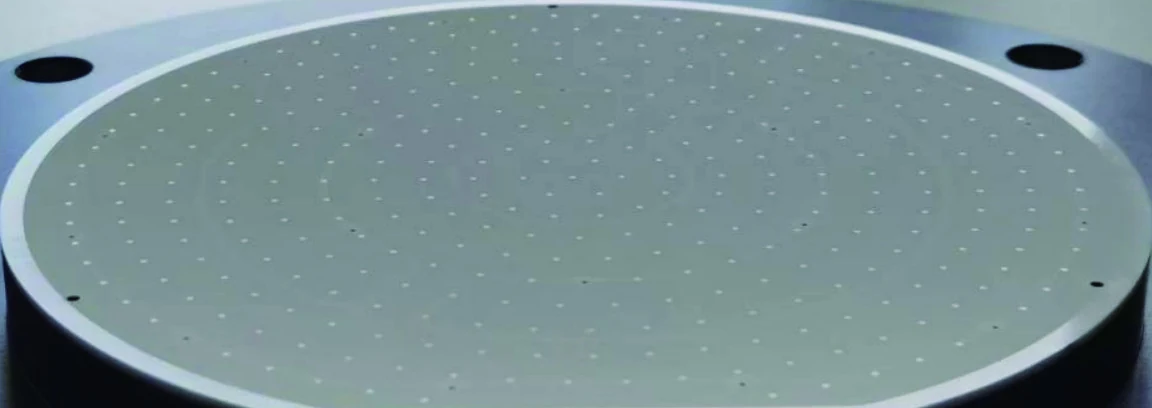
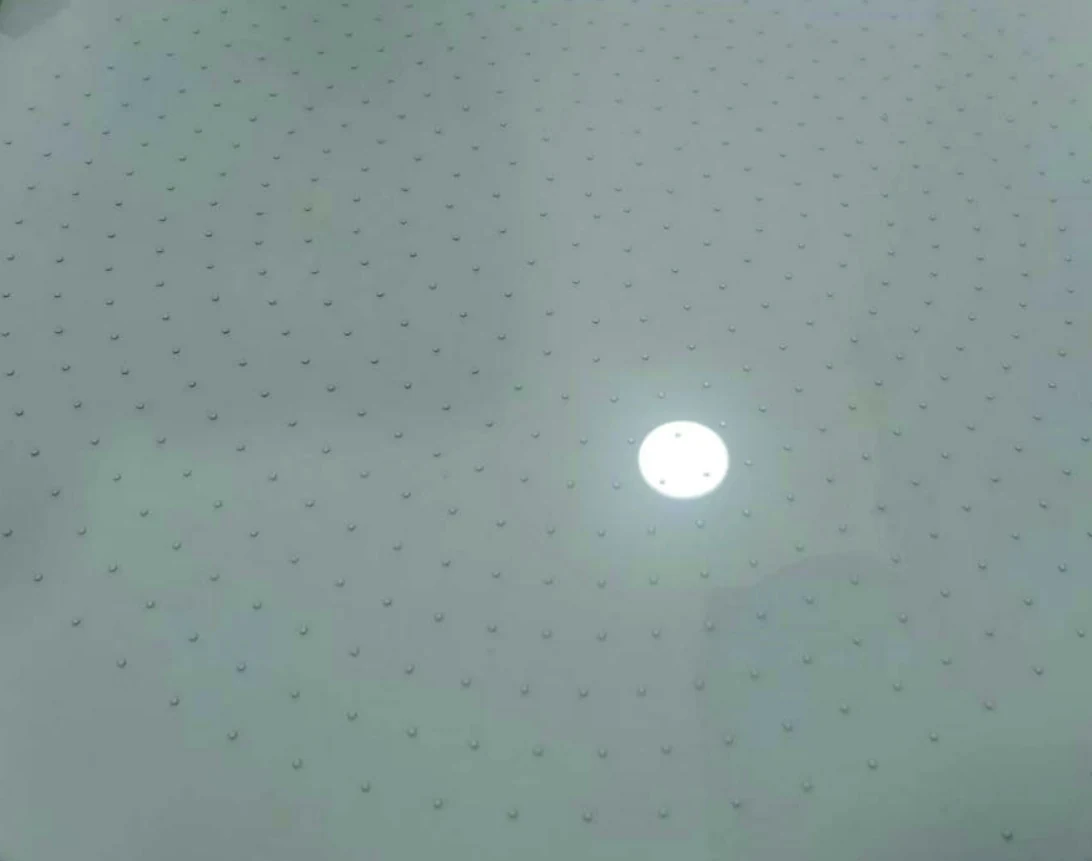
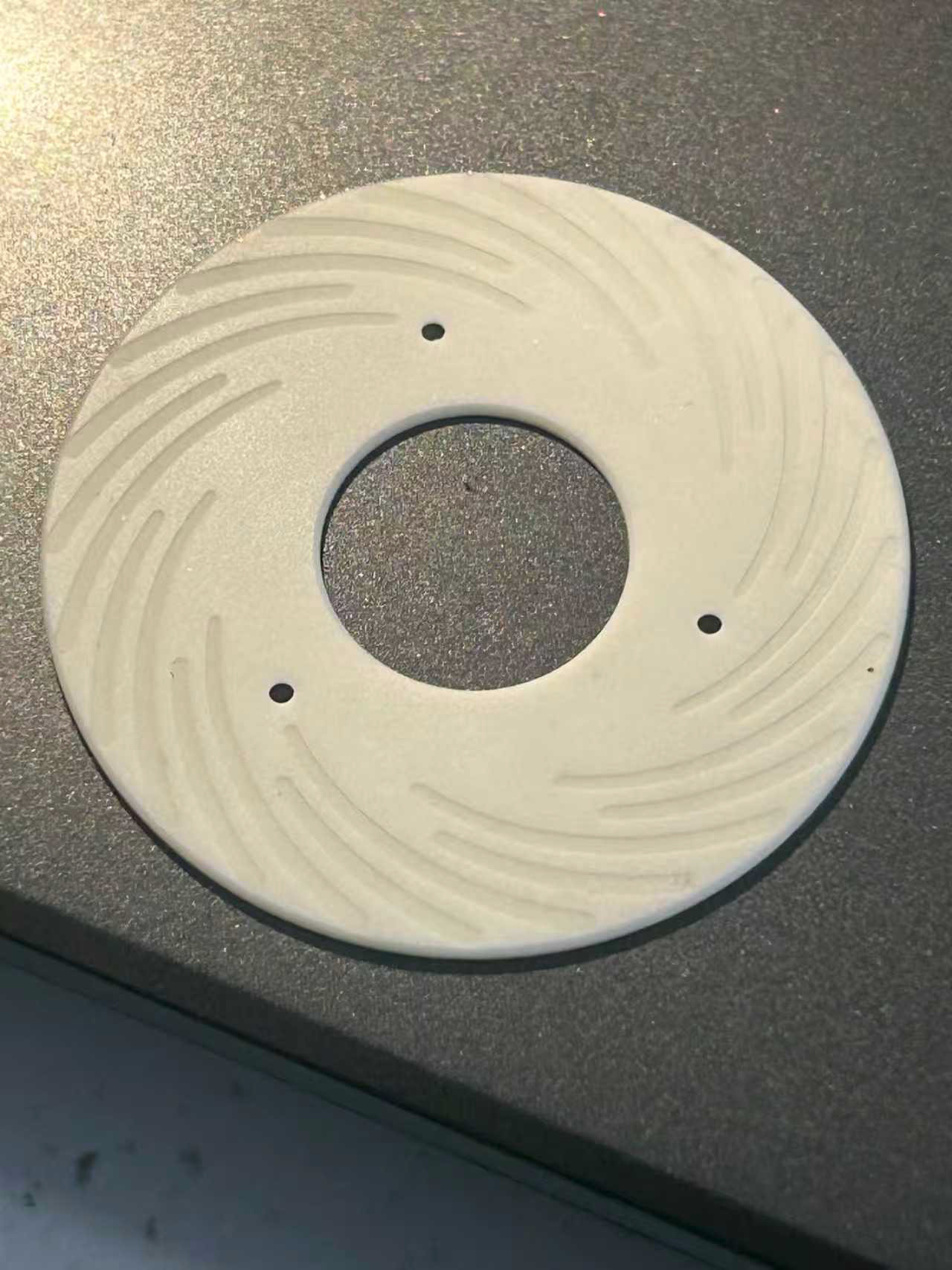
These samples and data are documented in NINVA product literature and relate to specific materials and conditions. Evaluate your part against its drawing.
FROM APPLICATION TO EQUIPMENT
Share material, drawing and acceptance requirements to assess machine suitability, conduct pre-sales machining trials and define the configuration.
An account manager responds within 24 hours. Machining trials generally take 3–20 days, with a confidentiality agreement available.
Discuss Equipment SelectionRELATED APPLICATIONS
NINVA supports equipment selection and application for ceramic housings, covers, insulating supports and thermal-management structures used in electronics and communications. Profiles, cavities, holes, grooves and surface requirements are assessed alongside material, workholding and inspection conditions to define the model and configuration.
For ceramic locating, support, insulating and assembly structures in precision instruments and analytical equipment, NINVA supports the selection of grinding, laser machining and EDM equipment for suitably conductive materials. Drawings, samples and inspection requirements define the machining scope and configuration needed from the machine.
For industrial ceramic plates, rings, guide components and thermal-management structures, select grinding, laser machining or EDM equipment for suitably conductive materials against the material, assembly relationships and machining features. Machining trials and inspection assess machine application conditions, while wear, thermal performance and service life are validated for the material and operating conditions.